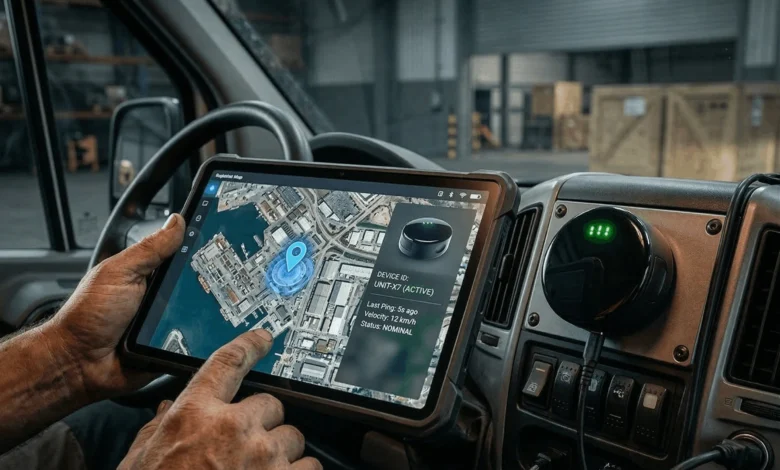
Equipment and high-value assets create a different kind of tracking challenge than standard fleet vehicles. Some assets move between job sites. Some sit unattended for long periods. Some are stored outdoors, loaned between crews, rented to customers, or attached to trailers and vehicles during transport.
That is why many businesses use GPS tracking for assets to create better visibility around equipment that cannot be monitored manually all day. Asset tracking helps teams know where equipment is, how it is moving, and when activity looks unusual.
Asset Risk Is Often Hidden Until Something Goes Wrong
A missing vehicle is usually noticed quickly. A missing piece of equipment may not be noticed until a crew needs it, a job starts late, or a rental return does not happen. That delay can create operational stress because the business may not know when the asset moved or where it went.
GPS tracking helps reduce that uncertainty. It gives managers a better record of asset location and movement. That record can support recovery, scheduling, job planning, and accountability across teams or customer locations.
High-Value Assets Need More Than Manual Checklists
Manual checklists can help, but they are limited when assets move often or sit in remote areas. Equipment may be shifted between job sites, parked overnight, moved by a subcontractor, or transported with little notice. A written record can fall behind real activity.
Tracking technology adds a live layer to asset management. It can help managers confirm location, review movement history, and respond when an asset leaves an expected area. That kind of visibility is especially useful when equipment is valuable, difficult to replace, or central to scheduled work.
Different Assets Need Different Protection Models
Asset tracking is not one-size-fits-all. A tractor, generator, trailer, skid steer, ATV, boat, and container may all need different mounting options, power considerations, update intervals, and alert settings. A useful tracking plan should account for how the asset is used in the field.
The goal is to match the tracking method to the risk. Some assets need frequent updates because they move throughout the day. Others need longer battery life because they sit without power. Some need rugged devices because they are exposed to weather, dust, vibration, or water.
Powered Equipment
Powered equipment can often support hardwired tracking, depending on the asset type and use case. This can be useful for machinery, vehicles, and equipment that needs consistent reporting or deeper security features.
Non-Powered Assets
Non-powered assets require a different approach. Battery life, mounting location, weather exposure, and update frequency become more important. A tracker must fit the way the asset moves and the amount of monitoring the business needs.
Rugged Security Controls Can Strengthen Protection
Some assets need protection that goes beyond location visibility. Outdoor equipment, rental assets, and high-value machines may face theft, unauthorized movement, or harsh conditions. In those cases, rugged hardware and security-focused features can matter.
A waterproof GPS kill switch can support use cases where immobilization, weather resistance, and stronger control are important. That type of product is especially relevant when equipment operates outside, near water, or in environments where durability is part of the buying decision.
Tracking Also Supports Better Utilization
Asset tracking is not only about theft prevention. It can also support utilization. Businesses often own equipment that is expensive but underused, hard to locate, or assigned inefficiently. Tracking data can help managers see which assets are active and which ones sit idle.
That visibility can support better planning. A manager may choose to redeploy equipment instead of renting more. A team may identify job sites where assets remain longer than expected. Over time, asset tracking can help a business understand whether its equipment is being used in ways that support operational goals.
Asset tracking also helps when responsibility changes hands. Equipment may move from one crew to another, from a warehouse to a job site, or from a rental yard to a customer location. Each handoff creates an opportunity for confusion if the asset record is not current.
Location visibility makes those transitions easier to review. Managers can confirm whether equipment reached the right place, whether it moved outside an expected area, and whether the timing of the movement makes sense. This is useful for operations, but it can also support customer communication and internal accountability.
For businesses with distributed assets, the tracking program should also consider reporting cadence. Some assets require frequent updates because they move often. Others may only need exception-based alerts or scheduled check-ins. Matching update frequency to asset risk helps balance visibility, battery life, and management attention.
Trailers Often Connect Vehicle And Asset Risk
Trailers are a major part of asset protection because they often carry equipment, tools, inventory, or specialized materials. A missing trailer can mean much more than a missing frame and wheels. It can also mean lost cargo, delayed jobs, and costly replacement planning.
A dedicated trailer GPS tracker can help businesses monitor non-powered trailer assets, review movement, and respond when a trailer leaves an expected location. This makes trailer tracking a natural part of a broader asset protection strategy.
Better Asset Visibility Helps Teams Work With More Confidence
Equipment and high-value assets are easier to manage when location and movement are visible. Tracking gives teams a more reliable way to confirm where assets are, when they moved, and whether activity matches business expectations.
Asset visibility also helps leadership understand the bigger picture. If equipment is frequently idle, misplaced, or difficult to assign, the problem may not be theft at all. It may be a process issue that tracking data can expose.
Better data can support smarter allocation decisions. A business may find that some equipment should be moved closer to active work, while other assets need stricter location controls. That kind of decision is difficult when asset location depends on memory or scattered notes.
Asset tracking can also reduce the stress of managing scattered equipment. When teams have a clear location record, they spend less time searching, calling around, or rebuilding the history of where an asset was last seen. That makes the entire asset program easier to manage.
This is important for companies with crews, rental customers, job sites, and storage yards spread across different locations. The more places an asset can move, the harder it becomes to manage through calls and paperwork alone. GPS tracking gives the business a stronger way to keep asset records current while still allowing normal field work to continue.
A stronger asset protection model does not depend on constant manual checking. It depends on useful tracking, practical alerts, durable hardware, and workflows that help managers act quickly when equipment movement deserves attention. Stronger tracking also gives managers a clearer record when assets move between yards, crews, trailers, and job sites. That record can support better planning, faster follow-up, and fewer moments where valuable equipment is out of sight for too long.


