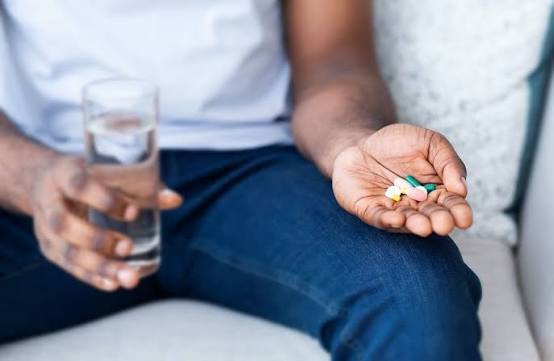
You’ve just picked up your prescription for Bactrim, and now there’s a weekend event on the calendar, or maybe just the simple end-of-day habit of a glass of wine you don’t want to give up without a good reason. So you’re asking the question a lot of people ask the pharmacist under their breath: is it safe to drink while taking this antibiotic? It’s a fair question, and it deserves a real answer instead of a vague warning label you have to squint at.
Bactrim is the brand name for a combination antibiotic, sulfamethoxazole and trimethoprim, commonly prescribed for urinary tract infections, respiratory infections, traveler’s diarrhea, and certain skin conditions. It’s also sold under names like Septra, Bactrim DS, and co-trimoxazole. Because it’s so widely prescribed, the question of whether it’s safe to drink while taking this antibiotic comes up constantly, and the answer is more nuanced than a simple yes or no.
Also Read: What to Expect and the Mental Health Effects You Should Know
What Bactrim Actually Does in Your Body
To understand whether it’s safe to drink while taking this antibiotic, it helps to know what Bactrim is doing while it’s in your system. Sulfamethoxazole and trimethoprim work together to block bacteria from producing folic acid, which bacteria need to grow and multiply. This dual mechanism is part of why Bactrim is effective against a broad range of bacterial infections, but it also means your liver and kidneys are actively processing two active compounds simultaneously, not just one.
Both organs play a role in metabolizing alcohol as well. That overlap, more than any single dramatic interaction, is the foundation of why doctors and pharmacists generally advise against mixing the two.
The Direct Interaction Between Bactrim and Alcohol
Drugs.com lists a moderate interaction between sulfamethoxazole and alcohol, advising patients to check with their doctor before combining the two. The specific symptoms tied to this interaction include flushing, a rapid heartbeat, nausea, and vomiting, a pattern that resembles what’s sometimes called a disulfiram-like reaction, similar to what happens when alcohol is combined with certain other medications that interfere with how the body breaks down ethanol.
This is one of the clearest reasons people ask whether it’s safe to drink while taking this antibiotic. The reaction isn’t guaranteed for everyone, but it’s documented closely enough that most healthcare providers treat it as a real possibility rather than a rare edge case. Combining the two can also worsen nausea, vomiting, or fatigue, and since heavy alcohol use can independently cause liver damage while Bactrim itself carries a risk of liver-related side effects, the combined load on your liver is a legitimate medical concern.
Why Timing Matters More Than People Expect
If you’re wondering whether it’s safe to drink while taking this antibiotic, timing is one of the most practical parts of the answer. Bactrim doesn’t clear your system the moment you finish your last dose. Both sulfamethoxazole and trimethoprim continue circulating in your bloodstream for a period afterward, which is why simply waiting until you stop taking the pills isn’t quite enough on its own.
Most clinical guidance recommends waiting at least 48 hours after your final dose before drinking alcohol again. That window gives your kidneys and liver time to clear the medication fully, reducing the chance of an interaction and giving your body a cleaner slate before introducing alcohol back into the equation.
Why “It Probably Won’t Hurt” Is the Wrong Way to Think About This
It’s tempting to reason that a single drink is unlikely to cause a serious reaction, and for many people, that might even be true. But this framing misses something important about why doctors ask patients to avoid alcohol entirely during antibiotic treatment, not because one drink guarantees harm, but because the entire point of taking Bactrim is to give your immune system the best possible conditions to clear an infection.
Alcohol interferes with immune function, disrupts sleep quality, and can worsen dehydration, all of which slow recovery regardless of whether a dramatic drug interaction occurs. So even setting aside the question of whether it’s safe to drink while taking this antibiotic from a purely pharmacological standpoint, there’s a practical recovery argument for avoiding it: you’re already asking your body to fight off a bacterial infection, and alcohol works against nearly every mechanism your immune system relies on to do that efficiently.
Who Faces Higher Risk When Mixing the Two
Not everyone experiences the same level of risk, and understanding your own situation is part of answering whether it’s safe to drink while taking this antibiotic for you specifically. People with pre-existing liver conditions, kidney impairment, or a history of alcohol use disorder face meaningfully higher risk, since their organs already have reduced capacity to process either substance efficiently, let alone both together.
Age also plays a role. Older adults tend to metabolize both alcohol and medications more slowly, increasing the likelihood that side effects linger or intensify. People taking other medications alongside Bactrim, particularly blood thinners like warfarin or certain diabetes medications, face additional interaction risk that alcohol can complicate further, since alcohol itself interacts with many of these same drugs independently.
Symptoms That Signal You Should Stop and Call Your Doctor
If you’ve already combined alcohol with Bactrim, whether by accident or before fully understanding the risk, knowing what symptoms warrant medical attention matters more than dwelling on whether it’s safe to drink while taking this antibiotic in hindsight. Watch for flushing or skin redness, a noticeably fast or irregular heartbeat, a tingling sensation, significant nausea or vomiting, dizziness, or shortness of breath.
Most reactions, when they occur, are uncomfortable rather than life-threatening, but severe symptoms like difficulty breathing, chest pain, or fainting require immediate medical attention. GoodRx notes that Bactrim can also cause stomach upset on its own, so it’s worth limiting spicy, acidic, or greasy foods during treatment as well, since combining multiple stomach irritants, alcohol included, tends to amplify discomfort rather than isolate it to one cause.
What About Non-Alcoholic Situations Where Alcohol Sneaks In
Here’s something that catches people off guard when they’re carefully avoiding drinks but not reading labels closely. Certain cough syrups, mouthwashes, and even some liquid medications contain small amounts of alcohol as an inactive ingredient. While the quantity is generally too small to trigger a significant reaction, if you’re being cautious about whether it’s safe to drink while taking this antibiotic, it’s reasonable to check ingredient labels on over-the-counter products during your treatment course as well, particularly if you’re someone prone to sensitivity or side effects.
A Realistic, Non-Alarmist Bottom Line
So, is it safe to drink while taking this antibiotic? The most accurate answer is that it’s generally not recommended, not because one drink is guaranteed to cause a dangerous reaction, but because the combination introduces real, documented risks, ranging from uncomfortable disulfiram-like symptoms to added strain on your liver, alongside a genuine setback to how efficiently your body fights the infection Bactrim was prescribed to treat in the first place.
If you’re facing a specific situation, a wedding, a work event, or a long-standing habit you don’t want to break, the most responsible step is a direct conversation with your prescribing doctor or pharmacist. They can factor in your specific health history, other medications, and the nature of your infection to give you guidance that’s more precise than a general rule ever could be. For additional detail on managing food, drink, and lifestyle factors during treatment, resources like GoodRx’s overview of Bactrim and alcohol interactions offer a helpful starting point, and the interaction summary published on Drugs.com is worth reviewing if you want to see how this interaction is documented from a clinical reference standpoint.
Ultimately, whether it’s safe to drink while taking this antibiotic comes down to weighing a short-term want against a short-term but meaningful recovery window. Waiting it out, and giving your body the 48 hours it needs after your final dose, is a small, temporary trade-off for a much more predictable and comfortable recovery.
Frequently Asked Questions
Can I have just one drink while taking Bactrim?
It’s generally not recommended, even in small amounts. While one drink may not cause a severe reaction in every person, it can still worsen side effects like nausea and place extra strain on your liver while your body is already working to clear an infection.
How long after finishing Bactrim should I wait before drinking alcohol?
Most guidance recommends waiting at least 48 hours after your final dose. This gives your body time to clear the medication fully before alcohol is introduced.
What symptoms happen if I mix Bactrim and alcohol?
Reported symptoms include flushing, a rapid heartbeat, nausea, vomiting, and a tingling sensation. These resemble a disulfiram-like reaction and generally warrant contacting your doctor if they occur.
Does alcohol make Bactrim less effective at fighting infection?
Alcohol doesn’t directly cancel out the antibiotic’s effect on bacteria, but it does interfere with immune function and disrupt sleep and hydration, all of which can slow your overall recovery from the infection.
Is the risk the same for everyone who drinks while on Bactrim?
No. People with liver or kidney conditions, older adults, and those taking other interacting medications like blood thinners face higher risk and should be especially cautious.
Yes, some cough syrups and mouthwashes contain small amounts of alcohol. The quantity is usually minor, but checking labels is a reasonable precaution if you’re being careful during treatment.
What should I do if I already drank alcohol while taking Bactrim?
Monitor for symptoms like flushing, rapid heartbeat, or significant nausea. Mild discomfort can often be managed by staying hydrated and resting, but severe symptoms like difficulty breathing or chest pain require immediate medical attention.
Should I talk to my doctor before deciding whether it’s safe to drink while taking this antibiotic?
Yes. Your doctor or pharmacist can factor in your specific health history, other medications, and the type of infection being treated to give guidance more precise than general recommendations.


