Best Clothing Manufacturers for Startups in the USA (2026)
Clothing Manufacturers for Startups in the USA

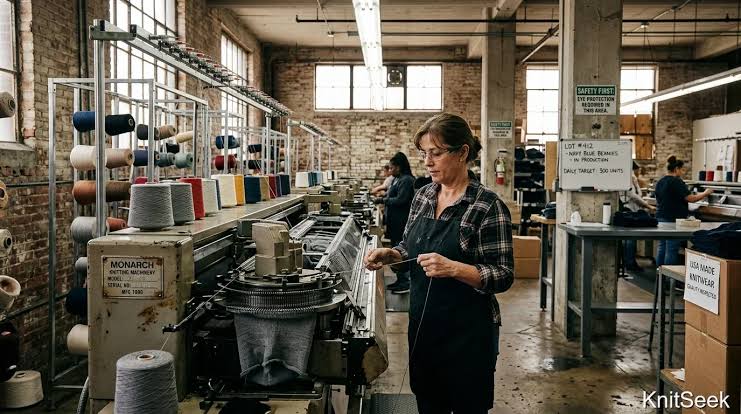
You’ve designed the collection, picked the fabrics you’re excited about, and now you’re staring at the hardest part of launching a clothing brand: finding someone who will actually manufacture it without demanding a 500-unit minimum order you can’t remotely afford yet. If you’ve been searching for the best clothing manufacturers for startups and hitting wall after wall of impossible minimums, you’re running into one of the most common obstacles in the entire fashion industry, and it’s more solvable than it feels right now.
This guide walks through what actually makes a manufacturer startup-friendly, which specific US-based factories consistently show up as genuinely reliable options, and how to evaluate the best clothing manufacturers for startups against your own budget, product type, and growth stage, so you can move from idea to first production run without betting your entire runway on a single order.
Also read: How to find Accounting Firms for Startups in 2026?
Why Minimum Order Quantities Are the First Real Obstacle Every New Brand Faces
Before naming specific factories, it’s worth understanding why this search feels so frustrating in the first place. Most overseas factories want 300 to 1,000 units per style, and many domestic factories set their minimums even higher, numbers that make sense for an established brand with proven demand but are financially reckless for a founder still testing whether a design will sell at all.
This is exactly why the best clothing manufacturers for startups tend to be a specific subset of the industry: factories that have deliberately built their business model around small brands, often accepting orders as low as 20 to 150 units per style. These low-MOQ manufacturers exist precisely to let founders test a product, prove real demand, and scale gradually, rather than gambling an entire budget on a first production run that might not sell.
What Separates a Startup-Friendly Manufacturer From a Traditional Factory
Beyond just accepting smaller order volumes, the best clothing manufacturers for startups tend to share a few other traits worth watching for. They typically offer guided workflows structured specifically for founders without manufacturing experience, walking clients through tech pack review, sample approval, and bulk production sign-off step by step rather than assuming you already know industry terminology and processes.
They also tend to offer more flexibility around customization, fabric sourcing, labeling, and packaging, since startup brands often need to iterate on a design before committing to a larger run. And critically, the strongest startup-focused manufacturers communicate clearly and respond quickly, since a founder juggling limited time and capital can’t afford weeks of silence between emails while a launch timeline slips.
Zega Apparel Has Built Its Entire Model Around First-Time Brand Founders
Among the most consistently recommended names when people search for the best clothing manufacturers for startups is Zega Apparel, which has positioned itself specifically around startup brands with a 25-unit minimum order and a custom prototyping process that lets founders test new styles before committing to a full production run. Their project workflow is structured specifically for founders without prior manufacturing experience, guiding clients through each stage from initial tech pack review to final bulk shipment.
This kind of hand-holding matters enormously for a first-time founder, since manufacturing terminology and process expectations can be genuinely confusing the first time you navigate them, and a factory built to expect that unfamiliarity tends to produce a smoother, less costly first production experience.
Indie Source Offers End-to-End Los Angeles Production With Real Manufacturing Depth
Indie Source, based in Los Angeles, is another name that appears consistently among the best clothing manufacturers for startups, known specifically for end-to-end production support paired with low MOQ flexibility for fashion startups. Being based in LA’s dense garment district gives Indie Source access to a deep local network of pattern makers, sample rooms, and fabric suppliers, which can meaningfully shorten development timelines compared to factories operating in isolation from that ecosystem.
For founders who want domestic, Made-in-USA production specifically, working with an LA-based full-service manufacturer like Indie Source also simplifies quality control, since site visits and in-person sample reviews are realistically possible in a way they simply aren’t with most overseas production partners.
Royal Apparel Provides Made-in-USA Blanks With Low MOQ Customization
Royal Apparel stands out among the best clothing manufacturers for startups specifically for founders who want to build a brand around domestically produced blank apparel, offering Made-in-USA basics with low MOQ customization options. This model works particularly well for streetwear, casual, and basics-focused brands that want to build a product line around high-quality core garments, t-shirts, hoodies, and similar staples, customized through printing or embroidery rather than fully custom cut-and-sew production.
Because Royal Apparel already manufactures the base garments domestically, founders working with them typically see faster turnaround on customization compared to factories that need to source blank garments from a third party first.
Manufacture New York Combines Startup Guidance With East Coast Production Access
For founders based on the East Coast or specifically interested in New York’s garment manufacturing ecosystem, Manufacture New York is built specifically for first-time brand owners, offering guidance through the full production process including tech pack review, sample approval, and bulk sign-off. This structured support system mirrors what makes Zega Apparel and similar startup-focused factories effective: reducing the steep learning curve that trips up so many first-time founders during their initial production run.
Argyle Haus and Good Clothing Company Round Out Strong LA-Based Options
Los Angeles continues to be one of the most concentrated hubs for startup-friendly apparel manufacturing in the country, and Argyle Haus and Good Clothing Company are both frequently named among the best clothing manufacturers for startups operating in that region. Both factories serve small brands directly, offering domestic production with the kind of flexibility and communication access that overseas manufacturing partnerships often can’t match, particularly valuable during the early iteration phase when designs are still being refined.
Grayback International and Lefty Production Co Offer Broader Service Ranges
Grayback International has emerged as a strong option among the best clothing manufacturers for startups, with MOQs as low as 30 pieces per style and a full service range spanning cut and sew, private labeling, custom fabrics, multiple printing methods including DTF, DTG, screen, and puff printing, embroidery options including 3D and chenille work, sublimation, and complete labeling and packaging support. This breadth of service under one roof can meaningfully simplify production for a founder who doesn’t want to coordinate separately with a cut-and-sew factory, a printer, and a packaging supplier.
Lefty Production Co, also offering low MOQ cut-and-sew services, focuses on helping brands produce basics and custom designs without the large volume commitments traditional factories require, another solid option worth evaluating alongside the names above depending on your specific product category.
How Maker’s Row Simplifies the Search by Bringing Manufacturers to You
Choosing between low MOQ manufacturers can genuinely mean weeks of emails and waiting on responses, which is exhausting when you’re also trying to run every other part of a startup simultaneously. Platforms like Maker’s Row solve this by letting founders post their clothing project for free, after which verified US manufacturers bid directly on the work, letting you review bids and factory profiles before ever picking up the phone. This flips the traditional cold-outreach model, where you’re chasing down manufacturers one at a time, into a process where qualified factories come to you instead, which can meaningfully cut down the weeks-long search that finding the best clothing manufacturers for startups traditionally requires.
Questions Worth Asking Before You Commit to Any Manufacturer
Regardless of which specific factory you’re considering, a handful of questions consistently separate a smooth partnership from a costly mistake. Ask directly about their minimum order quantity per style, not just per order, since some factories quote a low overall minimum that actually requires hitting that volume across multiple styles combined. Ask about sample costs and turnaround time, since sample quality and speed often predict how the full production run will go. And ask specifically what happens if a batch doesn’t meet your quality standards, since a factory’s policy on reworking or replacing defective units matters enormously once real money is on the line.
It’s also worth asking directly about communication expectations, how quickly they typically respond to emails, whether you’ll have a dedicated point of contact, and what their process looks like for approving samples before bulk production begins. For a deeper, personalized comparison across more than 100 vetted manufacturers matched specifically to your product specifications, Plucky Reach’s manufacturer-matching service is worth exploring if you want tailored recommendations rather than a general list, and for a broader, bid-based approach to sourcing quotes directly from verified US factories, Maker’s Row remains one of the most efficient platforms available for narrowing down options quickly.
Matching the Right Manufacturer to Your Specific Product and Budget
Not every name on this list will be the right fit for every brand, and that’s an important point to sit with before reaching out to anyone. A streetwear brand building around blank hoodies and t-shirts may be perfectly served by Royal Apparel’s domestic blanks combined with a printing and embroidery partner, while a founder launching a more complex, fully custom cut-and-sew collection likely needs the deeper development support offered by a full-service factory like Indie Source or Grayback International.
Budget matters just as much as product complexity. Domestic US manufacturing generally costs more per unit than overseas production, but it typically comes with faster turnaround, easier quality control, and lower shipping complexity, tradeoffs worth weighing honestly against your specific timeline and margin requirements rather than defaulting to whichever option sounds most impressive.
The Real Takeaway on Choosing Among the Best Clothing Manufacturers for Startups
Finding the right manufacturing partner isn’t really about identifying a single “best” factory, it’s about matching a manufacturer’s minimum order quantity, service range, and communication style to your specific product, budget, and stage of growth. The founders who navigate this well aren’t the ones who found the cheapest possible quote; they’re the ones who chose a manufacturer genuinely built to support first-time brands through the specific challenges that come with launching a first collection, and who asked the right questions before committing any capital to a production run.
Frequently Asked Questions
What’s a realistic minimum order quantity for a startup clothing brand?
Many startup-focused US manufacturers now accept orders between 20 and 150 units per style, a significant shift from the 300 to 1,000-unit minimums traditional factories often require, making small first production runs genuinely achievable.
Is domestic US manufacturing more expensive than overseas production?
Generally yes, per-unit costs tend to be higher domestically, but founders often gain faster turnaround, easier quality control, and simpler communication in exchange, which can offset the higher cost depending on your product and timeline.
How do I know if a manufacturer is genuinely startup-friendly versus just claiming to be?
Look for manufacturers offering guided workflows through tech pack review and sample approval, clear communication about their actual per-style MOQ, and a track record of working specifically with first-time brand founders rather than only established labels.
What’s the difference between a full-service factory and a blank apparel supplier?
A full-service factory like Indie Source or Grayback International handles complete custom cut-and-sew production, while a supplier like Royal Apparel provides pre-made blank garments that you then customize through printing or embroidery, generally a faster and simpler path for basics-focused brands.
How much should I expect to pay for initial samples?
Sample costs vary significantly by manufacturer and product complexity, so it’s worth asking directly before committing, since sample pricing and turnaround time are often good indicators of how the full production experience will go.
Can a platform like Maker’s Row really replace direct outreach to manufacturers?
It can significantly simplify the process by letting verified manufacturers bid directly on your project instead of you cold-emailing factories one at a time, though comparing bids and communicating directly with shortlisted manufacturers is still an important step before committing.
Should I choose a manufacturer based near me or is location not important?
Location matters more than many founders initially assume, since being able to visit a factory in person for sample reviews and quality checks, especially at hubs like Los Angeles or New York, can meaningfully reduce miscommunication and production issues.
What questions should I ask before signing with any manufacturer?
Ask about per-style minimum order quantity, sample cost and turnaround time, their policy for handling defective units, and what communication and point-of-contact structure you can expect throughout the production process.