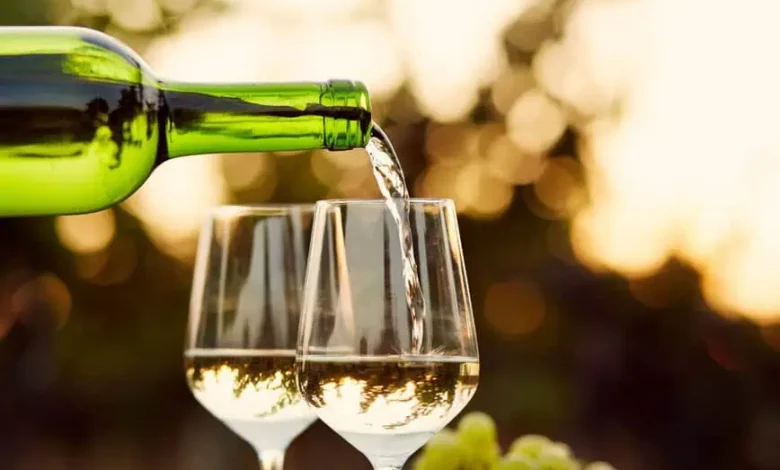
White wine is often associated with light, refreshing moments, but its range extends far beyond that simple perception. From crisp and citrusy to rich and creamy, white wines offer a diverse spectrum of styles shaped by grape variety, climate, and winemaking techniques. Exploring a wide collection—such as when you buy white wine online becomes far more rewarding when you understand what sets each style apart.
Why White Wine Feels So Different from Red
The most important distinction lies in how white wine is made. Unlike red wine, white wine is typically fermented without grape skins, which results in:
- A lighter color
- Lower tannin levels
- A fresher, more delicate texture
This process allows the natural fruit and acidity of the grapes to take center stage, creating wines that feel vibrant and easy to drink.
The Spectrum of White Wine Styles
White wine is not one single profile—it spans a wide range of expressions. Understanding these styles can help you choose wines based on mood, occasion, or food.
Crisp and Refreshing
These wines are light-bodied with high acidity, often featuring citrus and green fruit notes.
- Sauvignon Blanc
- Pinot Grigio
- Dry Riesling
Best for: warm weather, light meals, or as an aperitif
Fruity and Aromatic
These wines are expressive and fragrant, often with floral or tropical fruit characteristics.
- Moscato
- Gewürztraminer
- Off-dry Riesling
Best for: casual sipping, spicy dishes, or desserts
Rich and Creamy
Fuller-bodied white wines that may undergo oak aging or malolactic fermentation, giving them a smooth texture.
- Chardonnay (especially oaked styles)
- Viognier
Best for: richer dishes like roasted chicken, creamy pasta, or seafood
How Winemaking Shapes Flavor
Beyond the grape itself, the way a wine is produced has a major influence on its final taste.
Malolactic Fermentation
This process softens acidity and adds buttery, creamy notes. It’s commonly used in Chardonnay.
Oak Aging
Aging in oak barrels can introduce flavors such as:
- Vanilla
- Toast
- Spice
Stainless Steel Fermentation
Used to preserve freshness and fruitiness, especially in wines like Sauvignon Blanc.
Each method creates a distinct experience, even when using the same grape variety.
Dry vs Sweet: What It Really Means
One of the most common points of confusion in white wine is the difference between dry and sweet styles.
- Dry wines: Little to no residual sugar, often crisp and refreshing
- Off-dry wines: Slight sweetness balanced by acidity
- Sweet wines: Noticeable sugar levels, often used as dessert wines
Interestingly, some grapes like Riesling can be produced in all three styles, depending on how the winemaker controls fermentation.
The Influence of Climate on Taste
Where grapes are grown plays a major role in how a white wine tastes.
- Cool climates: Produce wines with higher acidity and subtle flavors
- Warm climates: Lead to riper, fuller-bodied wines with bold fruit notes
For example, a Sauvignon Blanc from New Zealand may taste more vibrant and citrus-driven, while one from a warmer region may feel softer and more tropical.
Matching White Wine with Food
White wine’s versatility makes it an excellent companion to many dishes.
Classic Pairings:
- Chardonnay: creamy dishes, lobster, roasted chicken
- Sauvignon Blanc: salads, green vegetables, tangy sauces
- Pinot Grigio: seafood, light pasta, fresh salads
- Riesling: spicy cuisine, pork, Asian dishes
The key is balance—lighter wines suit delicate dishes, while richer wines match heavier meals.
Serving White Wine for the Best Experience
Serving temperature has a noticeable impact on how white wine tastes.
- Light wines: best served cold (around 7–10°C)
- Full-bodied wines: slightly warmer (around 10–13°C)
Using a smaller glass with a narrower opening helps concentrate aromas and maintain the wine’s freshness.
Final Thoughts
White wine offers far more depth and variety than it’s often given credit for. From crisp and refreshing to rich and textured, each style reflects a combination of grape, climate, and craftsmanship.
By understanding these elements, you can approach white wine with greater confidence and curiosity—turning each glass into an opportunity to explore new flavors and preferences.